Recognizing the early signs of COPD can make a big difference in your health. Chronic obstructive pulmonary disease (COPD) is a long-term lung condition. It often starts with mild symptoms that many people ignore. However, spotting these early symptoms of COPD helps you get treatment sooner. Early care can slow the disease and improve your quality of life.
What is COPD?
COPD stands for chronic obstructive pulmonary disease. It is a group of lung diseases that block airflow and make breathing hard. The two main types are chronic bronchitis and emphysema. Most cases happen because of smoking, but air pollution and other factors can also play a role. According to the World Health Organization (WHO), COPD is a leading cause of illness and death worldwide.
Why Early Detection Matters
Early detection of COPD is very important. When you notice symptoms early, you can start treatment sooner. This can help slow down lung damage. In addition, early care may help you stay active and feel better. Many people ignore the first signs, thinking they are just getting older or out of shape. But acting early can make a big difference in your future health.
6 Early Signs of COPD
Here are six early signs of COPD you should not ignore:
When to See a Doctor
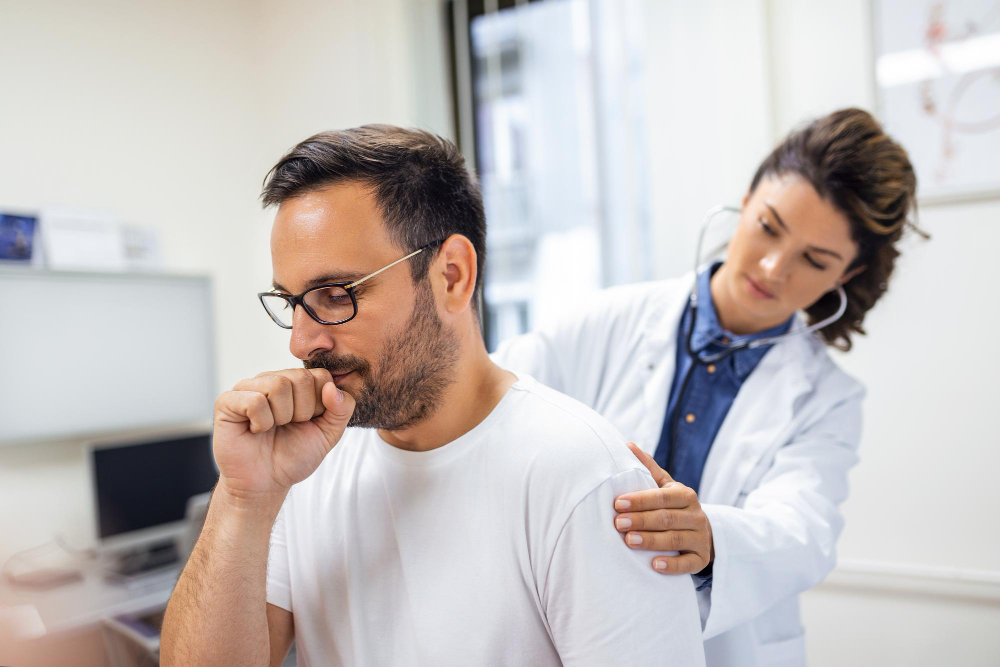
If you notice any of these early symptoms of COPD, do not wait. It is important to talk to your doctor, especially if you smoke or have a history of lung problems. Early testing can help find out if you have COPD or another condition. Your doctor may suggest breathing tests or other checks to help with diagnosis.
Prevention and Lifestyle Tips
While you cannot always prevent COPD, you can lower your risk. Here are some helpful tips:
If you notice any early signs of COPD, do not ignore them. Instead, consult your doctor for advice and testing. Early action can help you breathe easier and live better.